This case study was created by the following OIRC hubs:
Project Summary
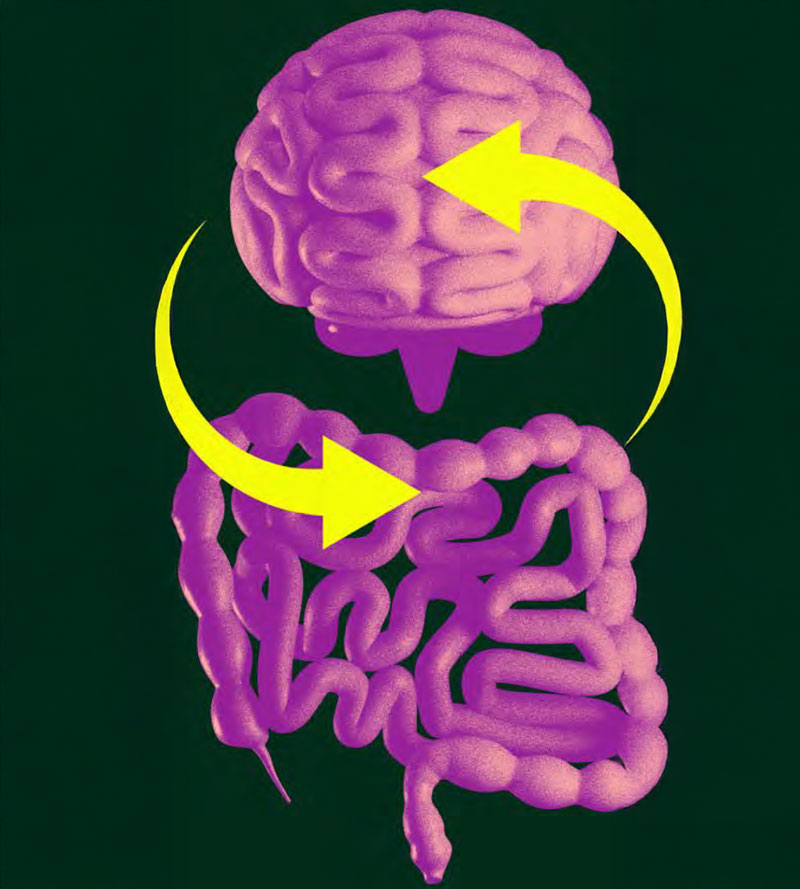
SymptoGut is a business interaction voucher project supported by the i-NutriLife innovation hub with King’s College London, Roehampton University and Invivo Healthcare as partners. A 20-week, double-blind, randomised crossover trial in 16 postmenopausal women investigated whether a targeted combination of dietary (poly)phenols and specific probiotic strains can modulate gut–brain axis signalling to support menopausal health.
Project Outcomes So Far
The findings indicate benefits relevant to menopausal wellbeing following daily consumption of both a combined (poly)phenol–probiotic and a (poly) phenol only formulation. Both interventions were feasible, well tolerated and associated with no reported side effects. The combined approach improved thinking, learning, memory and concentration, accompanied by marked increases in plasma and urinary (poly)phenol metabolites, consistent with enhanced bioavailability when probiotics are included. The (poly)phenol-only formulation led to improvements in energy/fatigue, sexual activity, and opportunities for acquiring new information and skills. Microbiome profiling revealed distinct signatures for each intervention. The combined formulation increased taxa involved in short-chain-fattyacid production, including Phascolarctobacterium spp., whereas the (poly) phenol-only intervention reduced selected opportunistic genera such as Clostridium spp., increased Fusicatenibacter spp., abundance and produced shifts within Lachnospiraceae groups. Together, these observations support synergistic interactions between probiotics and (poly)phenols in modulating gut–brain pathways. An early-career researcher led method development in metabolomics and microbiome analysis, expanding analytical capacity within the team.
Follow-On Activities
Project partners are now preparing a grant application to validate mechanistic markers, evaluate long-term symptom trajectories, and explore the co-development of a prototype nutraceutical and personalised intervention strategies.
!This funding has enabled us to generate pilot evidence suggesting that plant bioactives and probiotics may support menopausal and women’s health, helping us translate early findings into larger clinical studies."