This case study was created by the following OIRC hubs:
Project Summary
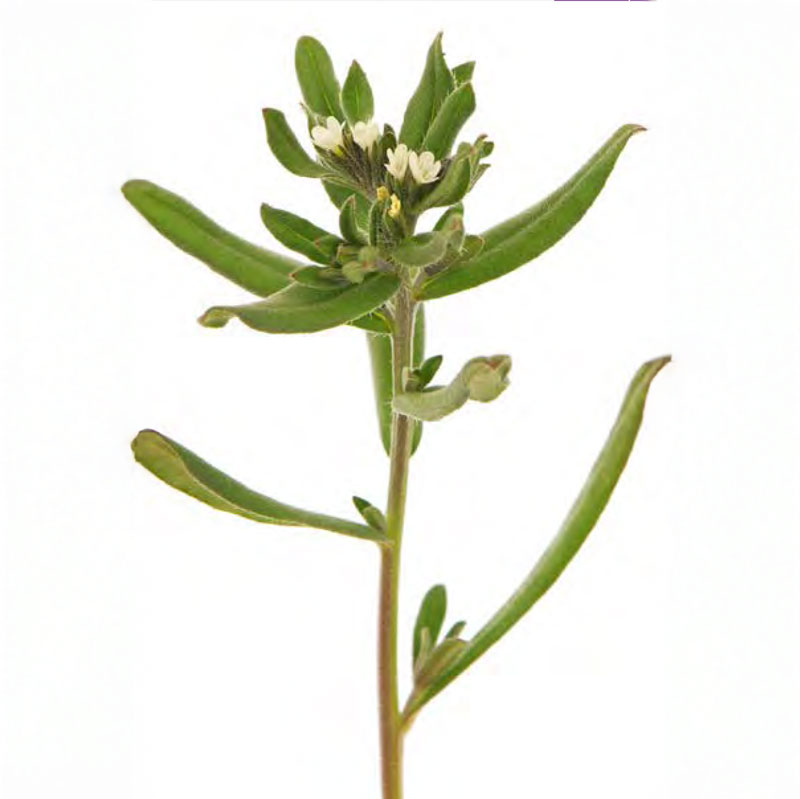
Omega-3 polyunsaturated fatty acids (PUFAs) eicosapentaenoic acid (EPA) and docosahexaenoic acid (DHA) support healthy ageing by lowering inflammation, yet current fish stocks may not meet future demand. Ahiflower® oil, derived from Buglossoides arvensis, is a sustainable plantbased source of alpha-linolenic acid (ALA), stearidonic acid (SDA) and gamma-linolenic acid (GLA). This project compared an Ahiflower oil blend with a fish oil blend in THP-1 monocytes to assess its potential as a scalable alternative to marine omega-3s and to understand how it may support healthy ageing while reducing dependence on finite marine resources.
Project Outcomes So Far
The collaboration between the University of Southampton and Natures Crops International (NCI) has delivered strong early evidence that Ahiflower oil modulates inflammation-related biomarkers in THP-1 monocytes. The project generated high-quality cytokine, oxylipin and mitochondrial data using ELISA, UPLC-MS/MS and Seahorse XF analysis, supporting forthcoming publication. It also provided valuable translational research and leadership experience for early career researcher Dr Ella Baker, strengthening her skills in lipidomics, immunometabolism and industry collaboration.
Follow-On Activities
The preliminary data supported a RIPEN Hub Progression Award (£44,690) with NCI to develop lipidomic methodology for analysing Ahiflower oil’s effects on inflammatory lipid signalling. These findings also strengthened a full BBSRC responsive mode application with NCI and four UK SMEs to co-develop and commercialise omega-3-fortified foods, supporting SME growth and the UK sustainable nutrition sector.
"The Business Interaction Voucher enabled sophisticated analyses beyond our SME’s capacity. These results show real potential for Ahiflower oil to enter food and medical nutrition markets as a clean, sustainable omega-3 source."