This case study was created by the following OIRC hubs:
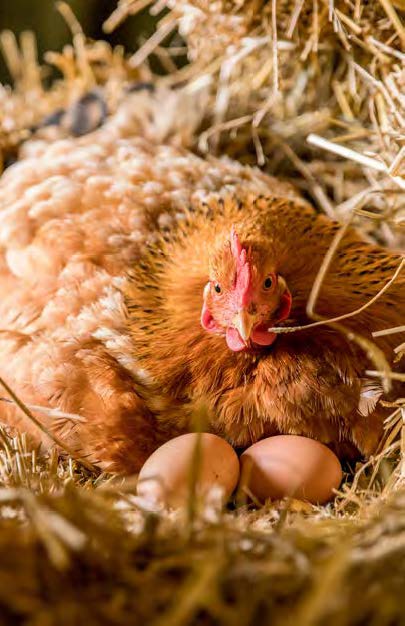
Our research has been instrumental in regenerating the hemp industry in Scotland and building the supply chain. One of our major concerns was the significant risk to the poultry and pig sectors due to dependence on imported soya, threatened by several geopolitical factors including deforestation legislation, China’s huge demand and trade instability. Home-grown protein solutions are essential to ensure our future food security. Working with Duncan Farms we demonstrated that hemp (a versatile/low-input/carboncapturing plant) successfully replaced soya cake with no detriment to hen welfare, egg production or taste. The lower-carbon egg produced had an enhanced nutritional profile being more than double in omega-3 and vitamin E and significantly higher in vitamin A. Replacing soya would require hemp to be grown at scale also delivering hemp oil (a healthy/low-input alternative to rapeseed) as a co-product. Transitioning to hemp would substantially reduce agricultural emissions, deliver new market opportunities and support decarbonising the livestock sector and a healthier population. Duncan Farms are in discussion with a major retailer who have an interest in the product if hemp production can be scaled. We hosted a workshop with all supply chain actors, identifying a viable route to meeting the poultry and pig sector need. This resulted in production of a policy brief and road map for delivery, which contributed to the Scottish Government hosting a national hemp conference and the submission of a proposal to fund the necessary infrastructure and coordination. This work has also received high-level media attention including national coverage on BBC Breakfast.
“Duncan Farms are thrilled to have been part of this project alongside the Rowett Institute implementing diet changes to include hemp at varying levels in the diet of our laying hens. By successfully replacing soy with hemp seed cake, we observed no detriment to the health of our hens or the sensorial properties of the eggs. It was very encouraging to see that the eggs tested as part of the trial saw significantly increased levels of vitamin E, as well as omega-3 and omega-6 fatty acids. This improvement is crucial from both a health and climate perspective. If fully implemented, the enhanced nutritional profile of our eggs would contribute to better health for our consumers. Additionally, reducing reliance on soy, especially given its association with deforestation, aligns with our commitment to environmental sustainability. This shift would not only help combat climate change but also position us well against the anticipated rising costs of soy due to bans from countries involved in deforestation activities. Working with the Rowett institute has been an absolute pleasure. The expertise and support throughout this trial has been invaluable.
"We are proud to have worked alongside the Rowett Institute to help develop a more sustainable and nutritious egg."