This case study was created by the following OIRC hubs:
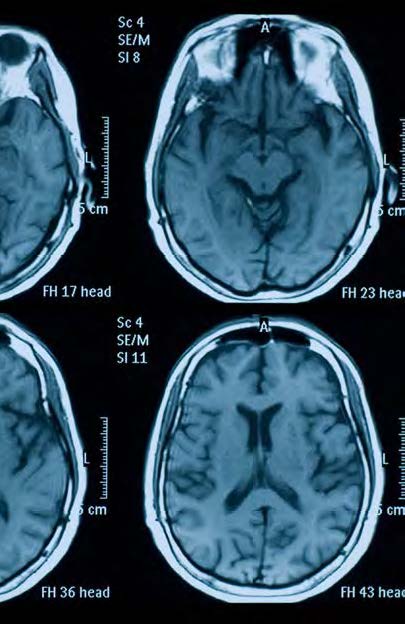
Menopause is associated with cognitive decline and disruptions in brain lipid regulation, signalling, and metabolism. While marine-derived n-3 PUFAs are known to offer neuroprotective benefits, the efficacy of novel (and more sustainable) plant-derived n-3 PUFAs remains unclear. The project compared the efficacy of these two n-3 PUFAs at preventing menopause-related brain disturbances.
Outcome Of Results
- Our results provide further evidence of the efficacy of n-3 Polyunsaturated fatty acids (PUFAs) interventions in the context of menopause mediated brain dysregulation.
- While marine n-3 PUFAs appear to confer slightly greater efficacy, the analysis identifies key differences and overlaps between the two sources, particularly in cognitive outcomes and lipid profile changes. These insights will help guide the development of more effective and sustainable n-3 PUFA–based interventions in the future.
Project Outcomes
- First significant funding source for early career researcher Matthew Pontifex to lead and complete a project
- Publication in preparation and expected to be submitted in early 2026
Follow-On Activities
- Additional funding is being sought to continue this research
"To my knowledge, this is the first study to assess the incorporation of (transgenic) plant-derived n-3 PUFAs into the brain. The i-NutriLife funding enabled me to experience working with both collaborators and industry partners, which is invaluable for an ECR."